Mesh WiFiReview
NETGEAR Orbi 970: Specs and Who It Suits (Research-Based)
The NETGEAR Orbi 970 is a quad-band BE27000 Wi-Fi 7 mesh system with 10G ports. What NETGEAR documents and who it suits. Not a hands-on test.
On this page
Key specs
| Wi-Fi standard | Wi-Fi 7 (802.11be), quad-band |
|---|---|
| Class | BE27000 (11,530 + 8,647 + 5,765 + 1,147 Mbps) |
| Coverage | Up to 3,300 sq ft per unit; up to 10,000 sq ft for the 3-piece set (NETGEAR) |
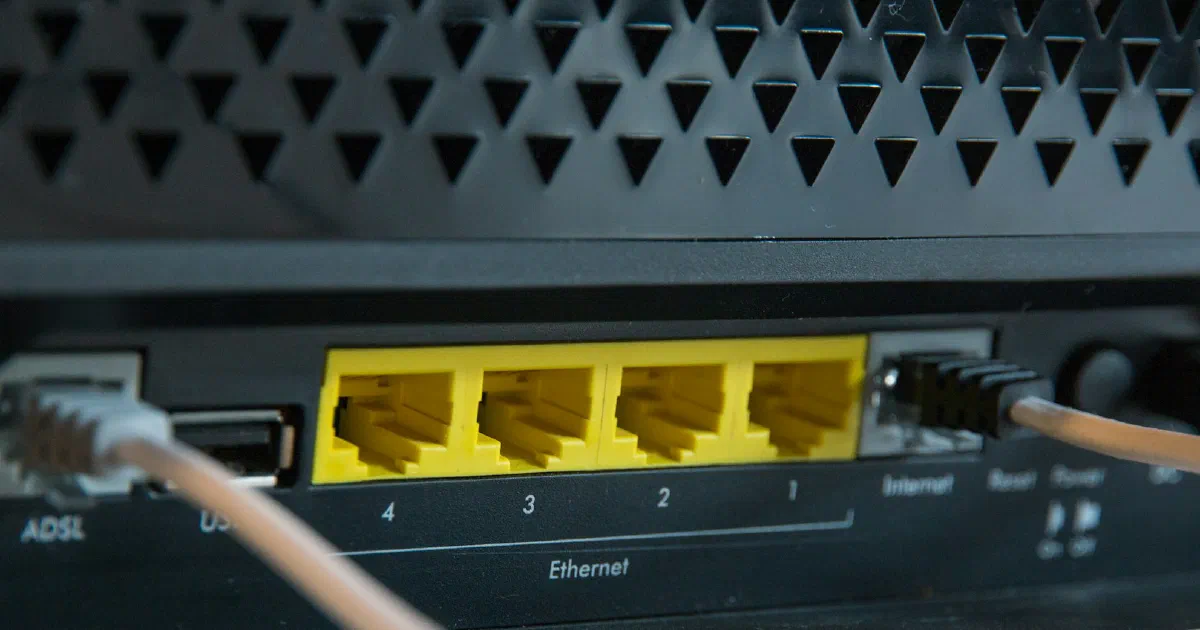
| Router ports | 1x 10 Gig internet, 1x 10 Gbps LAN, 4x 2.5 Gbps LAN |
| Satellite ports | 1x 10 Gbps LAN, 2x 2.5 Gbps LAN |
What we like
- Quad-band with a dedicated backhaul band, per NETGEAR
- 10 Gig internet port and 10 Gbps LAN port on the router
- NETGEAR rates the three-piece set for up to 10,000 sq ft
What we don't
- NETGEAR Armor needs a paid subscription after the first year
- Far more capacity than a plan under 1 Gbps can use
- No independent test results are cited here yet
The NETGEAR Orbi 970 is a quad-band Wi-Fi 7 mesh system with 10 Gig ports, built for very large homes on multi-gig internet. This is a research-based overview built from NETGEAR’s product pages. WiFi Weekly has not physically tested the Orbi 970, so there is no score and there are no speed or stress-test results here.
Correction, November 14, 2026: an earlier version of this page presented test results, a score, prices and a coverage figure that were not backed by testing records or a dated source. They have been removed or corrected.
What is the Orbi 970?
| Specification | What NETGEAR lists |
|---|---|
| Wi-Fi | Quad-band Wi-Fi 7 with a dedicated backhaul band |
| Class | BE27000: 11,530 + 8,647 + 5,765 + 1,147 Mbps maximum link rates |
| 6 GHz radio | 4x4, 320 MHz channels, 4K-QAM |
| Coverage | Up to 3,300 sq ft per unit; up to 10,000 sq ft for one router and two satellites |
| Devices | Up to 200 |
| Router ports | One 10 Gig internet port, one 10 Gbps LAN port, four 2.5 Gbps LAN ports |
| Satellite ports | One 10 Gbps LAN port, two 2.5 Gbps LAN ports |
| Security | One year of NETGEAR Armor included, then a paid subscription |
BE27000 is the sum of four radios’ maximum link rates, which NETGEAR notes are derived from the IEEE 802.11 specification. It is not a speed any one device reaches. Coverage figures are NETGEAR’s own.
Who does the Orbi 970 suit?
| Your situation | Does it fit? | Why |
|---|---|---|
| Very large home, no Ethernet between rooms | Yes, on paper | A dedicated backhaul band keeps the link between units off the bands your devices use; see tri-band vs. dual-band mesh |
| Multi-gig internet plan | Yes | The router takes a 10 Gig internet connection |
| Home under about 3,000 sq ft on a plan under 1 Gbps | More than you need | Compare the smaller models in Orbi 770 vs. 870 vs. 970 |
| You dislike subscriptions | Check first | Read is NETGEAR Armor worth it |
For how the Orbi line compares with eero, see eero vs. Orbi. For other large-home options, see the best mesh Wi-Fi for a large house.
What we could not verify
- Real-world speed, range and behavior with many devices. We have no test records for this system.
- A current US price for the system or for NETGEAR Armor. We did not open a dated US price page for this update, so we don’t quote one.
Bottom line
On its documented specifications, the Orbi 970 is the top of NETGEAR’s Orbi range and fits very large homes on multi-gig plans. Most homes will be served by a smaller system, so compare before spending at this level.